
Mist: Offline Zombie Survival
Euphoria Horror GamesRole Playing
4.41.37K Reviews
- Version
- 1.8.13
- Installs
- 1.00M
- Age Rating
- Mature 17+
Screenshots
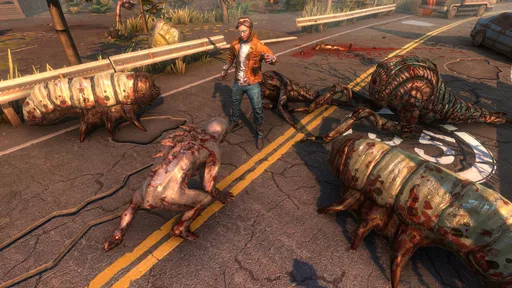
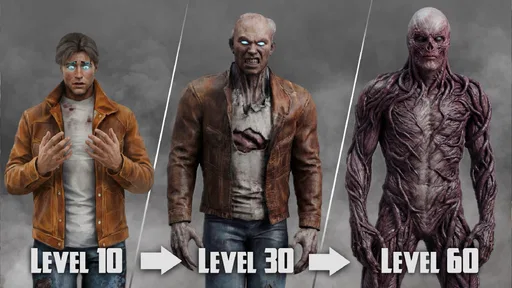
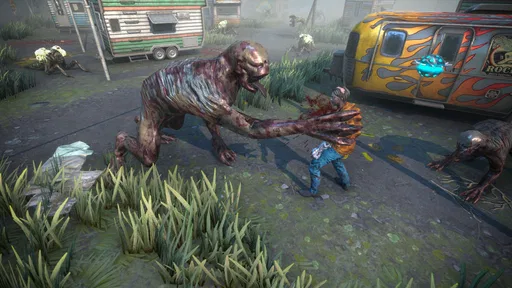
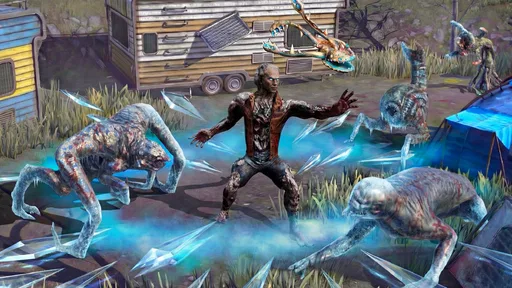
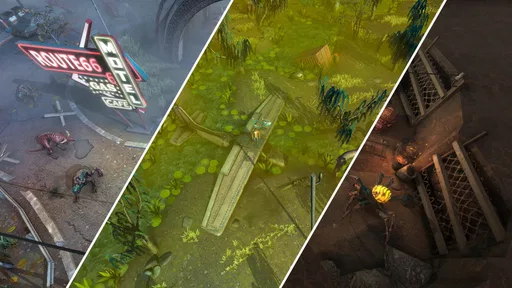
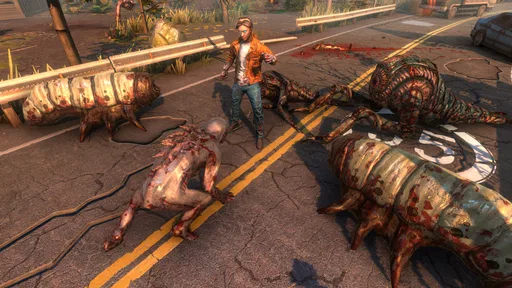
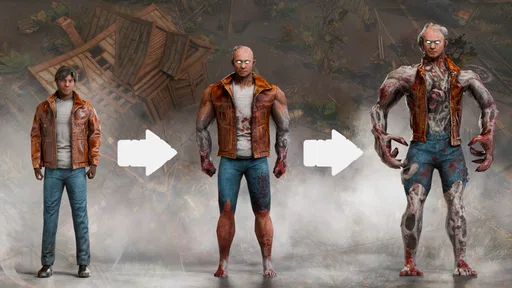
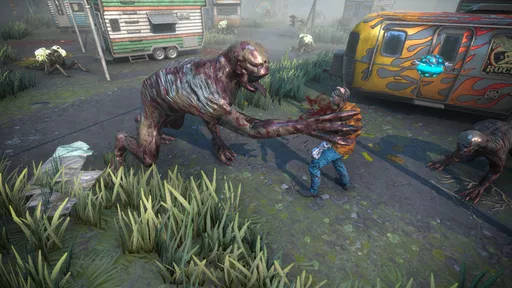
Our Review of Mist: Offline Zombie Survival
 Analysis by Appyee
I spent time with Mist: Offline Zombie Survival as a mobile role-playing game built around surviving after society has collapsed. Its strongest idea is also its clearest identity: this is a solitary apocalypse experience that does not depend on an internet connection. That makes it easy to pick up during travel, in places with weak reception, or whenever I want a self-contained game rather than a live service demanding constant attention.
The setting is grim, the audience is mature, and the overall appeal comes from managing danger rather than simply rushing from one fight to the next. I found it most interesting when I treated every trip away from safety as a decision with consequences. The game is free to start, but its mature rating and in-app purchases mean it is worth approaching as a serious survival RPG rather than a harmless casual time-killer.
How the current version feels to play
The current release is version 1.8.13, and the game has already attracted more than a million installs. Its average rating sits at 4.4 from roughly fifty-three thousand ratings, with about one and a half thousand written reviews. Those figures suggest a healthy audience, but they do not remove the need to decide whether its particular style suits you. I would not recommend it simply because it is popular; I would recommend it if you enjoy slow pressure, resource choices, and a bleak world that expects patience.
Euphoria Horror Games has chosen a focused direction. Rather than presenting a bright, social RPG with constant events, the developer frames the experience around being alone in a dead world. That changes how I judge progress. A successful session is not necessarily the one with the most dramatic battle. Sometimes it is the run where I return with enough supplies, avoid an unnecessary risk, and leave myself in a better position for the next outing.
The offline design is especially useful in ordinary situations. I can imagine playing during a commute through areas with unreliable signal, on a flight, or late at night when I do not want notifications or matchmaking. It also makes the game more predictable than online alternatives: I am not waiting for a server, competing with another player’s schedule, or worrying that a temporary connection problem will interrupt a carefully planned expedition.
That convenience comes with a trade-off. An offline survival RPG cannot offer the same kind of changing social world as a multiplayer game. There is no human opponent to surprise me, no cooperative partner to rescue a bad run, and no shared community activity shaping the moment-to-moment experience. If the main reason you play role-playing games is guild interaction or competitive progression, this is probably the wrong direction.
A survival loop that rewards restraint
My preferred way to approach the game is to divide each session into three questions: what do I need now, how far can I safely go, and what can I afford to lose? That mindset is more useful here than treating every encounter as an invitation to fight. In a zombie setting, the temptation is to clear everything in sight, but a cautious player gains more from choosing battles than from proving that every threat can be defeated.
A practical routine is to begin with a small objective instead of wandering without a plan. Decide whether the outing is about finding supplies, improving your position, or testing a dangerous route. If the immediate goal is met, returning early can be the smart move. This is one of the less obvious strengths of the format: the game gives value to preparation and retreat, so a short session can still feel meaningful.
I also recommend keeping a mental distinction between progress and consumption. Spending valuable resources to solve a minor problem may make the current encounter easier while weakening the next several minutes. That tension is what separates a survival RPG from a straightforward action game. The best choice is often not the most powerful option available, but the one that preserves flexibility.
For players who usually rush through mobile RPGs, this can feel deliberately restrictive. The pace may seem less immediately rewarding than games built around rapid missions, frequent rewards, and constant character upgrades. I think that friction is intentional, but it will not appeal to everyone. If you want quick bursts with a clear victory screen every few minutes, a lighter action RPG may be a better fit.
Why offline play changes the experience
Playing without an internet requirement affects more than convenience. It makes the game feel personal and uninterrupted. I can stop when I want, return later, and keep my attention on the immediate survival problem instead of checking event timers or reacting to other players. For a reader who dislikes the pressure of online progression, that is a meaningful advantage.
There is also a useful planning habit that offline games encourage: I can begin a session with a specific amount of time in mind. On a short break, I might make a conservative trip and return before the break ends. On a longer evening, I can take on a more ambitious objective. The game works best when I accept that not every session needs to produce a major breakthrough.
The limitation is that offline convenience does not automatically mean the game is relaxed. A game can be disconnected from the internet and still create tension through hazardous exploration, scarce decisions, and the fear of losing momentum. I would not choose this title as a calming background game. Its atmosphere and mature presentation are better suited to players who want pressure, not passive distraction.
What the update history means for players
The release date was July 25, 2024, while the current version has moved to 1.8.13. That tells me the game is being maintained beyond its initial launch, which is encouraging for anyone starting now. Still, a version number alone is not proof that every rough edge has disappeared, so I would treat the current build as an active stage of the product rather than a final statement of what the game will become.
For a new player, the most important effect of ongoing development is that the present version is the one to judge, not the earliest launch experience described by older comments. For an existing player, the change is more practical: later builds can alter the feel of progression, smooth early friction, or adjust the balance between risk and reward. I would revisit the game after updates rather than assuming that an old first impression remains accurate forever.
The sensible way to evaluate version 1.8.13 is to look at how well the core loop serves its promise. Does the offline structure remain convenient? Does the survival pressure create interesting decisions rather than pointless repetition? Does the role-playing layer give me reasons to return after a failed expedition? Those are more useful questions than expecting a new version number to guarantee a completely different game.
Existing users should also be realistic about what updates can and cannot change. Refinement can make a good survival loop more comfortable, but it cannot turn a solitary horror RPG into a social adventure. If you left because you wanted cooperative play, a more polished build may not address the real reason you stopped. On the other hand, if you liked the atmosphere but found the early experience rough, the current version deserves another look.
How I would spend money in the free version
The game is free, with individual in-app purchases ranging from $0.99 to $134.99. That wide range is important context for deciding how to play. I would begin without buying anything and first learn whether the survival rhythm genuinely holds my attention. A free entry point is valuable here because the game’s appeal depends heavily on personal tolerance for bleak pacing and resource pressure.
My advice is to avoid paying simply to escape the first moment of frustration. In a survival game, friction can be part of the intended decision-making, and removing it too quickly may weaken the reason to play. Before spending, I would ask whether a purchase improves a recurring problem or merely makes one difficult session easier. That distinction helps protect the experience as well as the wallet.
Parents should pay attention to both the mature age rating and the purchase range. This is not a suitable choice for young children, and a free download should not be confused with a completely cost-free experience. For adult players, the best approach is to set a personal spending limit before starting, especially if the game becomes a regular offline companion.
Compared with many online role-playing games, the purchase question feels less tied to social competition because the game is designed around solitary play. That can reduce one kind of pressure, but it does not make every purchase automatically worthwhile. I would still judge value by how much it adds to my own enjoyment, not by the size of the available package.
Who will enjoy it, and who should skip it
I think this is a strong match for players who like zombie fiction, grim exploration, and RPG decisions that are more about survival than spectacle. It is also a good option for someone who wants a game that works away from Wi-Fi or mobile data. If you enjoy studying a dangerous situation, making a conservative plan, and gradually becoming more confident, the design has a good chance of holding your attention.
It is less suitable for players who need a cheerful tone, constant story scenes, or fast access to powerful abilities. I would also point competitive multiplayer fans toward an online alternative, because the solitary structure is not a temporary side mode; it is central to the experience. Likewise, anyone who dislikes losing progress or being punished for careless decisions may find the survival focus tiring instead of satisfying.
A realistic everyday use case is a traveler who wants something playable with a phone in airplane mode. I would start a short session by choosing a modest target, play carefully, and stop after returning to safety rather than beginning a risky second trip with limited time. That workflow makes the offline feature genuinely useful instead of treating it as a line in the description.
Another use case is a player who has grown tired of live-service RPGs that ask for daily attention. Here, the absence of an online requirement can make the game easier to fit around work or study. I can play when I have time rather than when an event tells me to. The trade-off is that the world may feel quieter and less socially alive, so the benefit depends on whether independence matters more to me than variety.
Small habits that make the game more manageable
My first tip is to treat every expedition as a budget. Before leaving, decide what you are willing to spend and what would make the trip a success. This prevents a common mistake in survival games: continuing simply because the next reward seems close, even after the original objective has already been achieved.
Second, use low-risk outings to learn the game’s rhythm rather than trying to prove how far you can push immediately. A cautious early route can reveal how much pressure you are comfortable handling and which decisions tend to leave you exposed. That knowledge is more valuable than a single impressive run because it improves future planning.
Third, separate experimentation from serious progress. When I want to test a new approach, I should do it when the consequences are acceptable instead of risking everything during an important objective. This is a simple habit, but it gives the role-playing layer more depth: failures become information rather than just wasted time.
Finally, remember that offline play makes self-management more important. There is no online teammate to compensate for a poor plan and no live community to tell me what to do next. I need to set my own goals, notice patterns, and decide when a session has reached a natural stopping point. Players who enjoy that independence will get more from the game than those waiting for constant direction.
What I would like to see next
Because the game is still represented by an actively numbered version, I would watch future development for improvements that strengthen the central survival loop without removing its tension. Better clarity around decisions, smoother progression, and meaningful reasons to revisit the world would all matter more to me than flashy additions that distract from the lonely atmosphere.
I would also pay attention to how the balance handles both free players and people who choose to purchase extras. The best outcome would preserve a satisfying path for someone who starts at no cost while making optional spending feel understandable rather than necessary. That balance is especially important in a game whose appeal comes from careful choices.
For current users, the practical advice is simple: keep an eye on updates, but judge each build by how it changes your actual sessions. If the game becomes easier to navigate without losing its danger, that is meaningful progress. If it only adds more pressure to spend or more repetition without deeper decisions, the version number will matter much less.
After playing it, I see Mist as a focused choice rather than a universal recommendation. Its best feature is the combination of solitary survival tension and genuine offline convenience. The mature tone, free-to-start structure, and broad purchase range all deserve consideration before installing, but none of them erase the core appeal for the right player.
I would recommend it to an adult who wants a dark role-playing game for disconnected play and enjoys making careful decisions under pressure. I would skip it in favor of a more social or faster alternative if I wanted co-op, competitive events, or immediate action. For me, the deciding question is whether I want to survive patiently or simply defeat enemies quickly. If the former sounds appealing, this is a worthwhile game to try without spending first.
Verdict
Strengths of Mist: Offline Zombie Survival
- Fully playable offline, making it ideal for travel or limited data.
- Tense survival atmosphere with dangerous zombie encounters.
- Scavenging and resource management add meaningful decisions.
- Exploration rewards patience and careful route planning.
- Progression encourages repeated runs and experimentation.
Limitations of Mist: Offline Zombie Survival
- Limited enemy variety can make encounters feel repetitive over time.
- Resource scarcity may frustrate players who prefer faster progression.
- Some areas can feel empty between major encounters.
- The learning curve may be harsh for casual survival-game players.
- Visual presentation may feel dated on newer devices.
Other Releases by Euphoria Horror Games
View All
Horror Tale 2: Samantha
Adventure4.6

Horror Tale 1: Kidnapper
Adventure4.7
Similar Picks in This Category
View All
Hair Dye
CrazyLabs LTD4.4

Monster High™ Beauty Salon
CrazyLabs LTD4.5

Bus Simulator - Bus Games 3D
Jima Apps4.4

Flight Pilot: 3D Simulator
Wildlife Studios4.1


Super Stylist Fashion Makeover
CrazyLabs LTD4.4
Frequently Asked Questions
What is Mist: Offline Zombie Survival about?
Mist: Offline Zombie Survival is a post-apocalyptic action and survival game focused on exploring dangerous environments, fighting zombies, collecting supplies, and staying alive for as long as possible. You must manage limited resources, improve your equipment, and make careful decisions while moving through a world filled with threats. The offline format makes it suitable for playing without a constant internet connection.
Can Mist: Offline Zombie Survival be played without an internet connection?
Yes, the main appeal of Mist: Offline Zombie Survival is that it is designed for offline play. After installing the game and completing any required initial setup, you can generally play without mobile data or Wi-Fi. This makes it useful for travel, commuting, or areas with unreliable connectivity. However, store updates, advertisements, cloud features, or optional online services may still require an internet connection.
Is Mist: Offline Zombie Survival suitable for beginners?
The game can be enjoyed by beginners, but it may require patience because survival games often introduce limited resources, dangerous enemies, and gradual progression. New players should learn how combat works, avoid wasting ammunition or healing items, and explore carefully instead of rushing into unknown areas. The difficulty may feel demanding at first, but understanding resource management makes the experience considerably more manageable.
What kind of gameplay and features can players expect?
Players can expect a combination of exploration, zombie combat, scavenging, survival management, and character progression. The core experience revolves around searching locations for useful items, choosing when to fight or avoid enemies, and improving your chances of surviving future encounters. Depending on the version and device, features may include different weapons, crafting or upgrades, missions, environmental hazards, and progressively stronger zombie threats.
Does Mist: Offline Zombie Survival contain advertisements or in-app purchases?
The availability of advertisements and in-app purchases can depend on the platform, region, and version downloaded from the store. Some editions of free survival games use optional or occasional ads to support development, while purchases may offer convenience items, upgrades, or other extras. Before downloading, it is worth checking the current store listing and reviewing the permissions, pricing, and purchase information shown for your device.
Play our best games!


